
Introduction
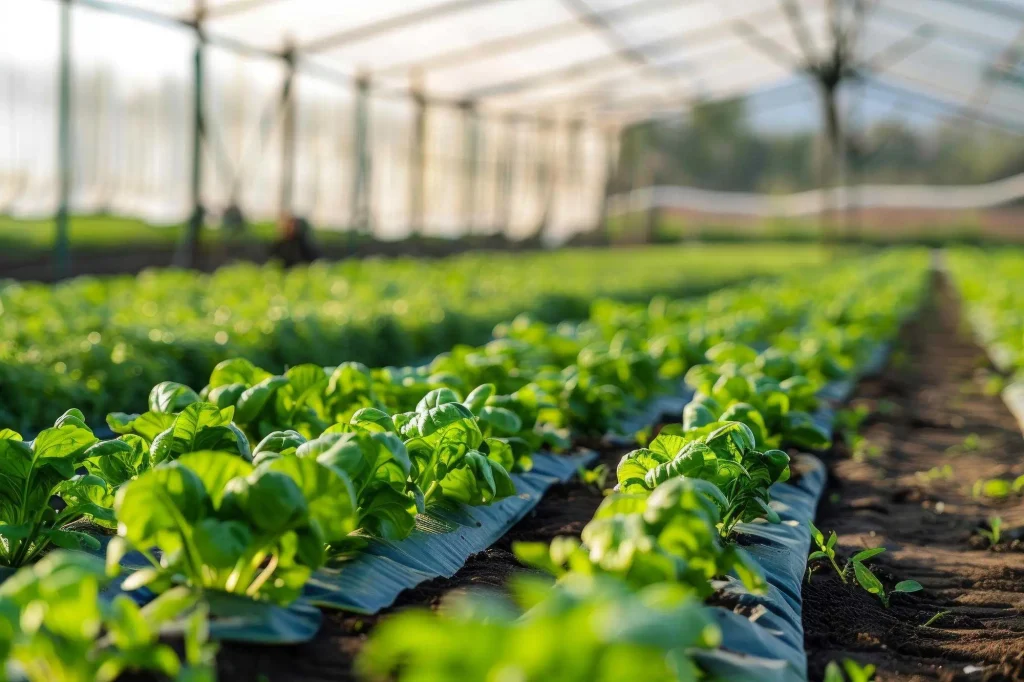
The application of plastics in agriculture today is one of the most important elements of the development and modernization of Iranian agriculture. Polymers, with their low weight, high strength, resistance to environmental factors, and reasonable production costs, have been able to increase the quality of agricultural products, reduce water consumption, and increase the productivity of agricultural lands. The widespread use of polyethylene pipes, advanced greenhouse films, and polymer equipment has led Iranian agriculture to enter a new era of intelligent management of natural resources.
The use of plastics in agriculture today is one of the key elements of the development and modernization of this industry in Iran. From smart irrigation to modern greenhouses and advanced packaging systems, polymers, as lightweight, durable, affordable, and customizable raw materials, play a vital role in improving productivity and reducing costs.
With the rapid growth of agricultural technologies, the use of polymers has not only made the production process faster and more economical, but also increased quality, reduced water waste, and better protected products.
In this article, we will examine the most important polymers used in Iranian agriculture and their role in the evolution of this industry.
The most important polymers used in Iranian agriculture; Application of Plastics in Agriculture
1. Polyethylene (PE); the main pillar of irrigation and agricultural films
Polyethylene in its various grades such as HDPE, LDPE, and LLDPE is the most widely used in Iranian agriculture. Due to its flexibility, high resistance to sunlight, long lifespan, and the possibility of production in different thicknesses, this material is the first choice for the production of irrigation pipes, greenhouse films, and protective coatings.
Polyethylene applications in agriculture
• Production of drip irrigation pipes and pressure irrigation
• Greenhouse films with varying degrees of transparency and stability
• Mulch film to prevent weed growth and maintain soil moisture
• Bags for transporting and storing products and fertilizer
• Silo covers and animal feed storage


2. Polypropylene (PP); A durable polymer for equipment and packaging
Polypropylene is very useful in the manufacture of agricultural equipment and tools due to its high mechanical strength and low weight. This material is resistant to chemicals and moisture and plays an important role in the production of nets, ropes and durable packaging.
Important applications of PP
• Production of agricultural ropes and nets
• PP woven bags for packaging grains and fertilizers
• Irrigation filters
• Parts of agricultural equipment and industrial machines

3. Polyvinyl Chloride (PVC); A water-resistant material
PVC is one of the most widely used polymers in water supply systems. Its long life, resistance to pressure and corrosion, and reasonable price have made it a standard choice for water and drainage pipes.
Applications
• Water pipes and fittings
• Hard and soft PVC greenhouse covers
• Drainage and water management systems

4. Polystyrene (PS); The best choice for planting and packaging
Polystyrene is a lightweight polymer with excellent formability, which is especially important in the production of planting and packaging of agricultural products. Due to its low weight and formability, this material is very suitable for the production of disposable agricultural containers.
Applications
• Planting containers
• Agricultural pots
• Lightweight product packaging boxes


5. Polycarbonate (PC); Advanced Polymer for Modern Greenhouses
Polycarbonate is one of the best choices for covering modern greenhouses due to its high transparency, high strength and resistance to UV rays. This material allows for uniform light transmission and maintenance of internal temperature and has a very long lifespan.
Applications
• Durable and transparent sheets for covering advanced greenhouses
• Impact and UV resistant parts

6. Ethylene Vinyl Acetate (EVA); Flexible Polymer for Agricultural Films
EVA is a soft, transparent and flexible polymer used to improve the properties of greenhouse films. This material increases thermal stability and prevents the formation of water droplets on the film surface, which is very important for maintaining plant health.
Applications
• Highly flexible greenhouse films
• Increased thermal resistance and stability in agricultural films

7. Polyamide (PA); Suitable for making technical parts
Polyamide is used in agricultural equipment due to its high tensile strength and impact resistance. This material is widely used in the production of protective nets and networks and is also used in irrigation systems and machinery.
Applications
• Production of resistant nets and networks
• Parts of machinery and irrigation equipment

8. Polyethylene terephthalate (PET); Suitable for packaging bottles
PET is a durable, lightweight, and transparent material used to package a variety of fertilizers, pesticides, and processed agricultural products. PET does not smell or react with chemicals.
Applications
• Liquid fertilizer and pesticide packaging bottles
• Seed and processed product packaging

9. Polymer Additives and Compounds; Complementing the Performance of Polymers
Additives are among the most important factors in increasing the efficiency of plastics in agriculture. Light stabilizers (UV), antioxidants, pigments and fillers make greenhouse films, pipes and other products last longer and do not deteriorate from sunlight or temperature.
Applications
Increasing product durability, improving heat resistance, increasing stability in agricultural films.
Types of important additives:
• UV stabilizers
• Antioxidants
• Pigments
• Fillers such as calcium carbonate and talc

Conclusion
With the growing need for precision irrigation, reduced water consumption, increased efficiency, and the development of new greenhouses, the Application of Plastics in Agriculture is becoming increasingly important.
Polyethylene, polypropylene, and PVC continue to be the mainstays of consumer equipment production, while engineering polymers such as polycarbonate and polyamide have seen rapid growth in the advanced equipment sector.
Today’s Iranian agriculture is unimaginable without polymers, as these materials have saved costs, improved product quality, and increased productivity.
The presence of polymers and plastics in Iranian agriculture has reduced water consumption, increased production efficiency, reduced costs, increased product quality, and increased equipment life. From irrigation pipes to greenhouse covers, everything shows that the use of plastics in agriculture is no longer an option; it is a major necessity in modern Iranian agriculture.
Get in Touch with Afshin Karami’s Trading Company
If you need to choose the best raw materials for the production of greenhouse film, irrigation pipe, agricultural netting or any polymer product,
Contact us now.
We will introduce the most suitable polymers, grades and additives according to your product type and climatic conditions.